

Blog / Lincoln Listicles, Comparisons & Luxury Vehicle Insights

The Rich History of Square Dancing in the Southern U.S.

Collection of vector illustrations with pairs of country dancers. Blondites in colorful traditional clothes dance in the American style. Design or poster for cowboy party, western dance school, team logo

Square dancing has captivated generations with its rhythmic steps, vibrant music, and sense of unity. Deeply rooted in American culture, it is significant in Southern states like Texas, Arizona, New Mexico, and Oklahoma. Let us explore the origins, evolution, and cultural importance of square dancing in America and ‘the West’!

The Origins of Square Dancing

Square dancing originated from various European folk dances, like the English Morris dance, French quadrille, and Scottish reel, brought to America by European immigrants in the 17th and 18th centuries. Over time, these styles blended into the American square dance we know today. The quadrille, involving four couples in a square, greatly influenced square dancing's development. After the American Revolution, it became a popular social activity in the new nation. By the 19th century, square dancing had spread widely in America, especially in rural areas, becoming a fixture at social gatherings. African-American communities played a key role, often serving as musicians and introducing the practice of "calling"—announcing dance steps. This innovation is now a defining feature of square dancing.

Square Dancing in the Southern States

Square dancing, cherished across the nation, holds a special significance in the cultural fabric of Southern states like Texas, Arizona, New Mexico, and Oklahoma. This vibrant tradition flourishes in the Southwest, with each state infusing the dance with its unique flair. In Texas, square dancing is more than just a pastime—it’s a way of life. Numerous clubs and large-scale events attract enthusiasts nationwide, underscoring its role as a cultural cornerstone that celebrates community and tradition.

In Arizona and New Mexico, square dancing is enriched by the Southwest's cultural diversity, blending Native American and Mexican folk traditions. This fusion acts as a cultural bridge, fostering mutual appreciation and understanding. Meanwhile, in Oklahoma, the dance is intertwined with the state's cowboy culture, embodying a rugged, independent spirit that makes it a beloved local pastime. Together, these states form a dynamic hub for square dancing, honoring its historical roots while celebrating its enduring cultural significance.

Key Milestones in Square Dance History

In the early 20th century, square dancing saw a decline as new forms of entertainment emerged. Henry Ford, the renowned industrialist, was crucial in revitalizing the dance by sponsoring square dance clubs and events, which helped preserve the tradition and inspire a fresh wave of enthusiasts. Additionally, educator Lloyd Shaw played a key role in elevating square dancing from a regional folk activity to a nationwide phenomenon.

After World War II, Shaw integrated square dancing into high school physical education programs across the country, helping to standardize calls and choreography. Today, square dancing has evolved into two primary forms: Traditional Square Dance, known for its regional varieties and simpler, pre-determined calls, and Modern Western Square Dance, which evolved in the 1970s and features more complex calls, improvisation by callers, and a broader range of music.

The Spirit of Square Dancing and Americana

Square dancing stands as a testament to America's cultural diversity and spirit of innovation. Whether you're a history enthusiast or simply someone looking to try something new, square dancing offers a delightful way to connect with others and celebrate our shared heritage.

Ready to step into the enchanting world of square dancing? Put on your dancing shoes, find a partner, and join the community that keeps this timeless tradition alive. Much like square dancing, cars are a central part of the American way of life. Visit Casa Lincoln and keep the American dream alive with all the cars and SUVs you could ever wish for! Whether you’re going to the honky tonk, need something that can tow for work, or simply want to cruise in style, we have what you need. We look forward to seeing you at Casa Lincoln!
Posted in:

Related Posts

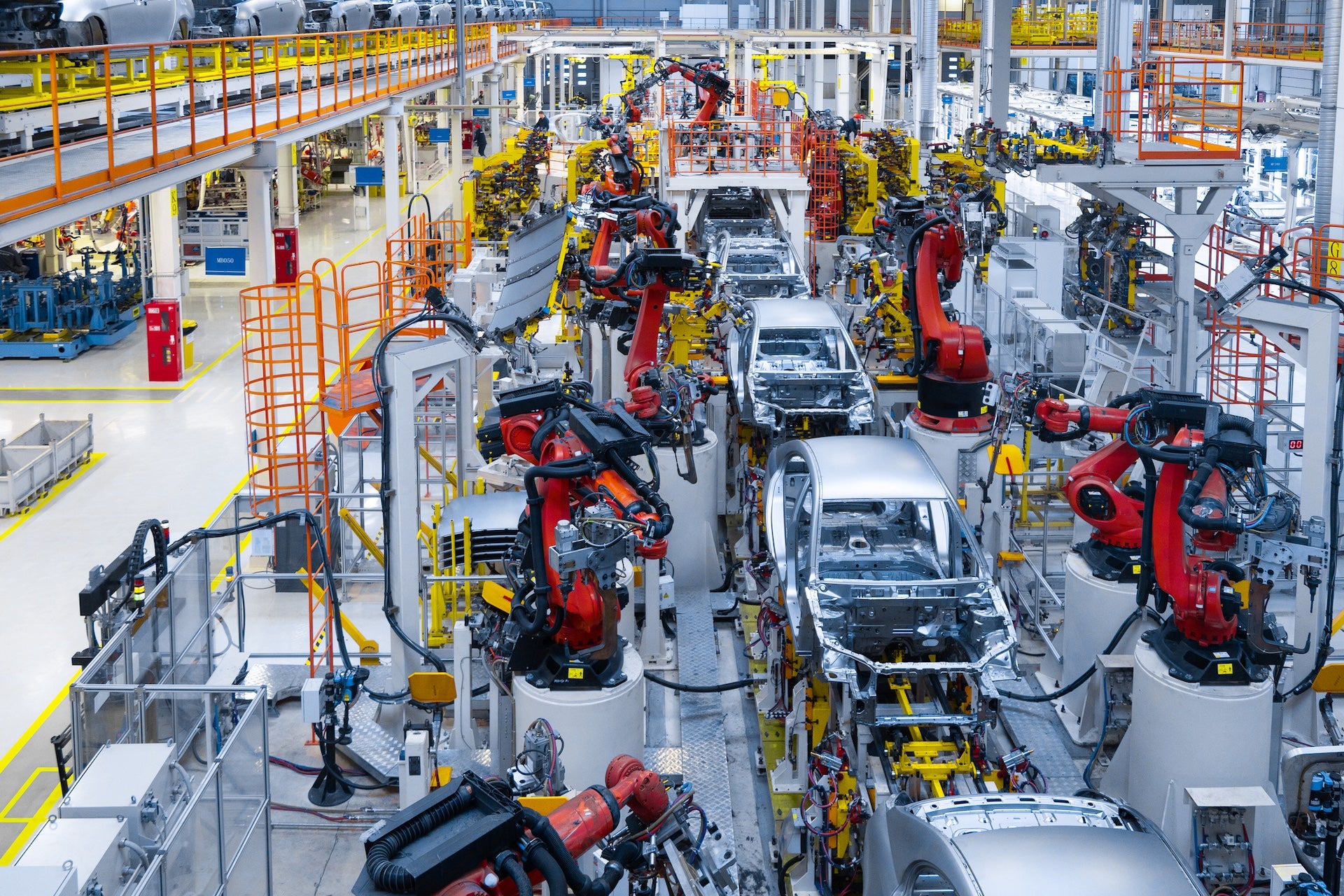
Assembly line production of new car. Automated welding of car body on production line. robotic arm on car production line is working

Celebrating National Manufacturing Day: A Spotlight on the American Auto Industry

Every first Friday of October, the United States celebrates National Manufacturing Day (MFG Day). This event, started by the Manufacturing Institute, highlights manufacturing's economic importance and showcases career opportunities. For the auto industry, MFG Day is a chance to recognize its contributions and anticipate future innovations. The Importance of MFG Day MFG Day is not just a one-day event; it kicks off a month-long celebration of Manufacturing Month. Thousands of companies and educational institutions open their doors to students, parents, educators, and community leaders. The aim? To educate the public about the realities of modern manufacturing and inspire the next generation to pursue careers in this vital sector. In the context of the auto industry, MFG Day is particularly significant. American manufacturers have been at the forefront of technical development for over two centuries, and the automotive sector has played a crucial role in this legacy. From the assembly lines of the past to today's cutting-edge electric vehicle (EV) production, the auto industry exemplifies American innovation and resilience. Innovation at the Forefront This year's MFG Day comes at a pivotal time for the auto industry, as it embraces significant trends and shifts: 1. Electric Vehicles (EVs) The push towards electric vehicles is one of the most profound changes in the auto industry. By 2030, it's estimated that 26% of net car sales will be electric vehicles, with 58 million new self-driving cars hitting the roads. President Biden's Investing in America agenda underscores this shift, with the U.S. Department of Energy (DOE) announcing $1.7 billion to support the conversion of 11 shuttered or at-risk auto manufacturing and assembly facilities across eight states to manufacture electric vehicles and their supply chain. 2. Workforce Development One of the most exciting aspects of MFG Day is the focus on career opportunities in manufacturing. The auto industry offers a wide range of high-paying jobs, yet there's a significant gender disparity, with only 15% of production workers being women. Efforts are underway to diversify the workforce and promote equal employment opportunities, ensuring that everyone has a chance to contribute to this dynamic industry. 3. Sustainable Manufacturing Sustainability is at the forefront of modern manufacturing. The Domestic Manufacturing Auto Conversion Grants program, funded by the Inflation Reduction Act, aims to expand the production of efficient hybrid, plug-in electric hybrid, plug-in electric drive, and hydrogen fuel cell electric vehicles. This initiative aligns with President Biden's Justice40 Initiative, which seeks to ensure that 40% of the benefits of federal investments flow to disadvantaged communities. 4. Community and Economic Revitalization The conversion of auto manufacturing facilities supports American workers and revitalizes communities that have long been the backbone of the U.S. economy. These investments not only create thousands of new jobs but also help retain highly skilled union workers, supporting the great comeback story of American manufacturing. Looking to the Future As we celebrate National Manufacturing Day, it’s important to look ahead. The challenges facing the American auto industry—supply chain disruptions, the shift toward sustainability, and global competition—are significant, but the opportunities are equally compelling. The transition to electric vehicles offers a chance for the industry to reinvent itself. With the federal government’s commitment to promoting clean energy and sustainability, the auto sector is uniquely positioned to lead this charge. Investments in charging infrastructure, battery technology, and green manufacturing practices pave the way for a robust and resilient industry. Celebrate American Manufacturing If you're passionate about the auto industry and want to see firsthand how modern manufacturing is shaping the future, we encourage you to participate in MFG Day events. Whether you're a student exploring career options, a parent supporting your child's interests, or an educator looking to inspire your students, there's something for everyone. Join the celebration and learn all about the American manufacturing industry. Together, we can drive the auto industry's future in the United States and ensure its continued success for generations to come. Take advantage of the best to come out of the American auto industry at Casa Lincoln by test-driving our many Lincoln vehicles like the brand new 2024 Lincoln Aviator. We look forward to seeing you at our dealership!

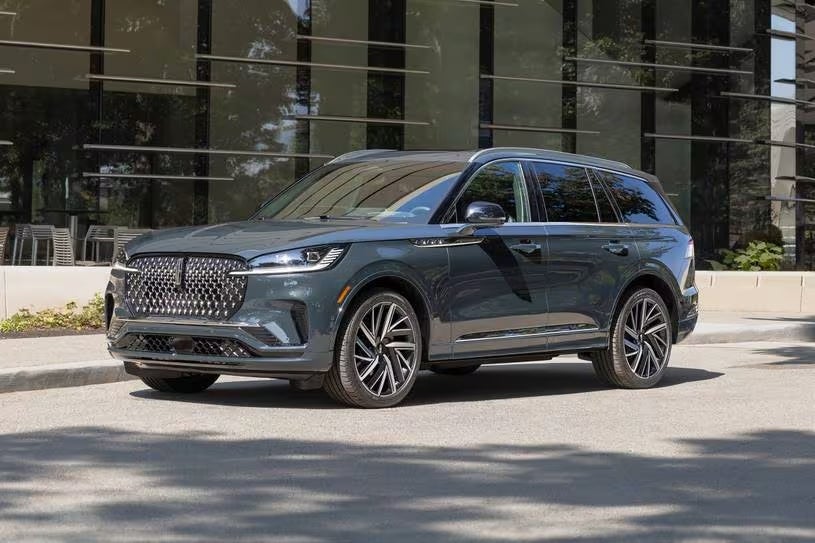
2025 lincoln aviator SUV black label

The 2025 Lincoln Aviator and the 2025 Ford Explorer Have Finally Arrived

The American automotive world is buzzing with excitement as the much-anticipated 2025 Ford Explorer and 2025 Lincoln Aviator roll off the production line. These iconic SUVs, manufactured at Ford's historic Chicago Assembly Plant, represent a new era in automotive excellence. A New Chapter for Iconic SUVs The launch of the 2025 models of the Ford Explorer and Lincoln Aviator marks a significant milestone, not only for the vehicles themselves but also for the Chicago Assembly Plant, which celebrates 100 years of continuous production. The Explorer, known as America’s all-time best-selling SUV with over 8 million units sold, continues to set industry standards. Meanwhile, the Lincoln Aviator showcases a sophisticated evolution in design and performance. Experience the 2025 Lincoln Aviator The 2025 Lincoln Aviator boasts several updates that enhance its luxury appeal, including striking styling updates with a new grille and headlamps featuring sequential animations and adaptive headlights on select trims. Technology is at your fingertips with a 13.2-inch infotainment touchscreen, a 12.4-inch digital gauge cluster, and the cutting-edge Lincoln Digital Experience interface. The Aviator prioritizes luxury and comfort with standard features like four-zone climate control, a panoramic sunroof, and a 14-speaker sound system. It delivers powerful performance, equipped with a 400-hp twin-turbo V-6 engine for serene cruising and authoritative acceleration. Safety is emphasized through the Co-Pilot360 system, which includes forward-collision warning, blind-spot monitoring, and adaptive cruise control. Additionally, the enhanced driving experience is supported by BlueCruise hands-free driving technology. Starting at $60,275, the Aviator offers a luxurious ride with options to meet every need. Discover the 2025 Ford Explorer The 2025 Ford Explorer arrives with robust enhancements, featuring a rugged new design that offers updated styling inside and out for a more muscular and capable look. It boasts advanced technology with the new Ford Digital Experience, which integrates Google and Amazon services on a 13.2-inch touchscreen and a 12.3-inch digital gauge cluster. Performance is at its core, delivering up to 400 horsepower with a twin-turbo V6 for those seeking a blend of power and efficiency. Additionally, innovative driver assistance includes Ford’s BlueCruise hands-free driving for enhanced safety and convenience. With a starting price of $41,350, the Explorer remains a top choice for those looking for a balance of comfort, power, and cutting-edge technology. Your Adventure Awaits The future of driving is here, and it’s time to redefine your driving experience with the 2025 Lincoln Aviator. Visit Casa Lincoln today to test drive the 2025 Aviator or any of Lincoln's suite of quality SUVs, and see why they continue to lead their segments. Experience first-hand the blend of luxury, technology, and performance that only Ford can deliver. Don't miss out on your chance to be a part of this historic launch. Your next adventure starts at Casa Lincoln! Hurry in and call us to drive your new 2025 Ford Explorer or Lincoln Aviator today. The road awaits you. Let's explore it together. See you soon!

Modern traffic light with red light in front of cloudless sunny blue sky

Stop on Red Week: Promoting Safety at Intersections

Intersection crashes are among the most dangerous traffic incidents, often leading to severe injuries and fatalities. To raise awareness and promote safe driving, National Stop on Red Week takes place every year during the first week of August. This initiative serves as a crucial reminder of the importance of obeying traffic signals and highlights the devastating consequences of running red lights. The History and Importance of Stop on Red Week National Stop on Red Week was established by the Federal Highway Administration (FHA) in 1995 to educate the public about the severity of traffic collisions and the role of traffic signals in preventing accidents. The first stop sign appeared in Detroit in 1915, and by the late 1920s, the familiar red background and octagon shape were standardized to minimize confusion and ensure clear communication to drivers. The statistics are alarming. In 2016 alone, 808 people were killed, and 137,000 were injured due to drivers running red lights. Between 2008 and 2021, an estimated 11,296 people lost their lives in crashes related to red-light running. These numbers underscore the critical need for initiatives like Stop on Red Week to remind drivers of their responsibility to follow traffic signals. Why Stop on Red Week is Crucial Traffic signals are not mere suggestions; they are vital control mechanisms that keep intersections safe. Stop on Red Week emphasizes its role in preventing accidents and saving lives by teaching the dangers of reckless driving. Ignoring red lights and stop signs can lead to catastrophic accidents, highlighting the importance of controlled speed and direction at intersections to make roads safer for everyone. While most drivers know basic traffic laws, their significance can sometimes be forgotten, making Stop on Red Week a crucial refresher that underscores why these rules exist and their life-saving impact. Advanced Car Safety Features Modern technology has brought forth a range of advanced safety features aimed at preventing accidents, particularly at intersections. Here’s a closer look at some of the most effective features related to automatic emergency braking: • Blind Spot Detection: Alerts drivers to vehicles in their blind spots, helping prevent side-impact collisions. • Forward Collision Warning: Monitors the road ahead and warns drivers of potential collisions, giving them time to react. • Brake Assist: Boosts braking power during emergency stops, reducing stopping distances. • Adaptive Cruise Control: Automatically adjusts speed to maintain a safe distance from the car ahead, now a standard feature in many new vehicles. • Lane Keeping Assist: Helps drivers stay in their lane by providing corrective steering when needed. These features work together to enhance safety and minimize the risk of accidents caused by human error. Be Safe This August with New Safety Features National Stop on Red Week is a crucial campaign that underscores the importance of following traffic signals and the dangers of reckless driving. This week-long initiative strives to decrease intersection-related accidents and save lives by promoting safe driving habits, raising public awareness, and encouraging the use of advanced vehicle safety features. At Casa Lincoln, we are proud to offer Lincoln vehicles with some of the best safety features currently on the market. Independent of what type of vehicle you currently own or are looking for, our cars offer Pre Collision Assist and Blind Spot Information Systems with Cross-Traffic Alert features in most new models. Trade in your outdated car today and upgrade to ensure your safety this Stop on Red week!